Introduction
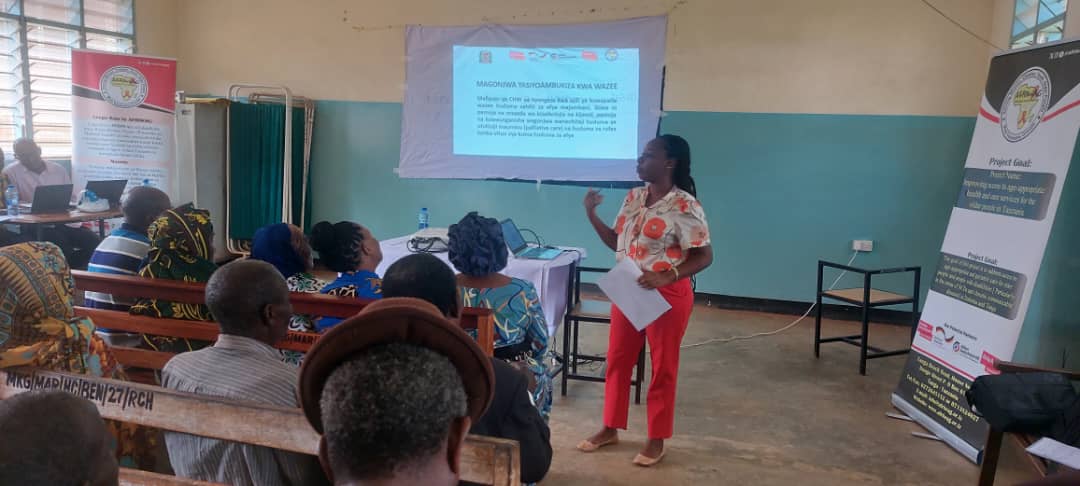
Non-Communicable Diseases (NCDs) have become a growing health concern globally and in Tanzania. Unlike infectious diseases, NCDs are not passed from person to person, yet they account for a significant number of deaths and long-term health complications. During the training for Community Health Workers (CHWs) and Home-Based Caregivers (HBCs) in Handeni District, the NCD Coordinator provided vital insights into the nature, causes, and prevention of NCDs.
What Are Non-Communicable Diseases?
NCDs are chronic conditions that develop over time and often require long-term management. The most common include:
- Cardiovascular diseases (such as heart attacks and strokes)
- Cancers
- Chronic respiratory diseases (such as asthma and chronic obstructive pulmonary disease)
- Diabetes
These diseases are often influenced by lifestyle and environmental factors rather than infections.
Key Risk Factors
The NCD Coordinator emphasized that most NCDs are preventable when risk factors are addressed. Major contributors include:
- Unhealthy diets (high sugar, salt, and processed foods)
- Physical inactivity
- Tobacco use
- Excessive alcohol consumption
- Environmental pollution
By adopting healthier lifestyles and promoting awareness, communities can significantly reduce the burden of these conditions.
The Role of CHWs and HBCs in NCD Prevention
CHWs and HBCs are essential in bridging the gap between communities and healthcare facilities. Their roles include:
- Conducting health education sessions on healthy living.
- Encouraging regular screenings and check-ups for early detection.
- Supporting patients in treatment adherence and lifestyle modification.
- Acting as community advocates for smoke-free, active, and health-conscious environments.
Moving Forward
The NCD Coordinator stressed that combating NCDs requires collective effort. Families, communities, healthcare providers, and policymakers all have a role to play. By empowering CHWs and HBCs, Handeni District is taking an important step toward reducing the burden of NCDs and promoting healthier, more resilient communities.
Conclusion
Non-Communicable Diseases are a silent epidemic affecting millions, but they are largely preventable. Through continuous education, awareness, and community action, we can save lives and improve the quality of health in our communities.
? Together, we can fight NCDs and build a future of healthier generations.