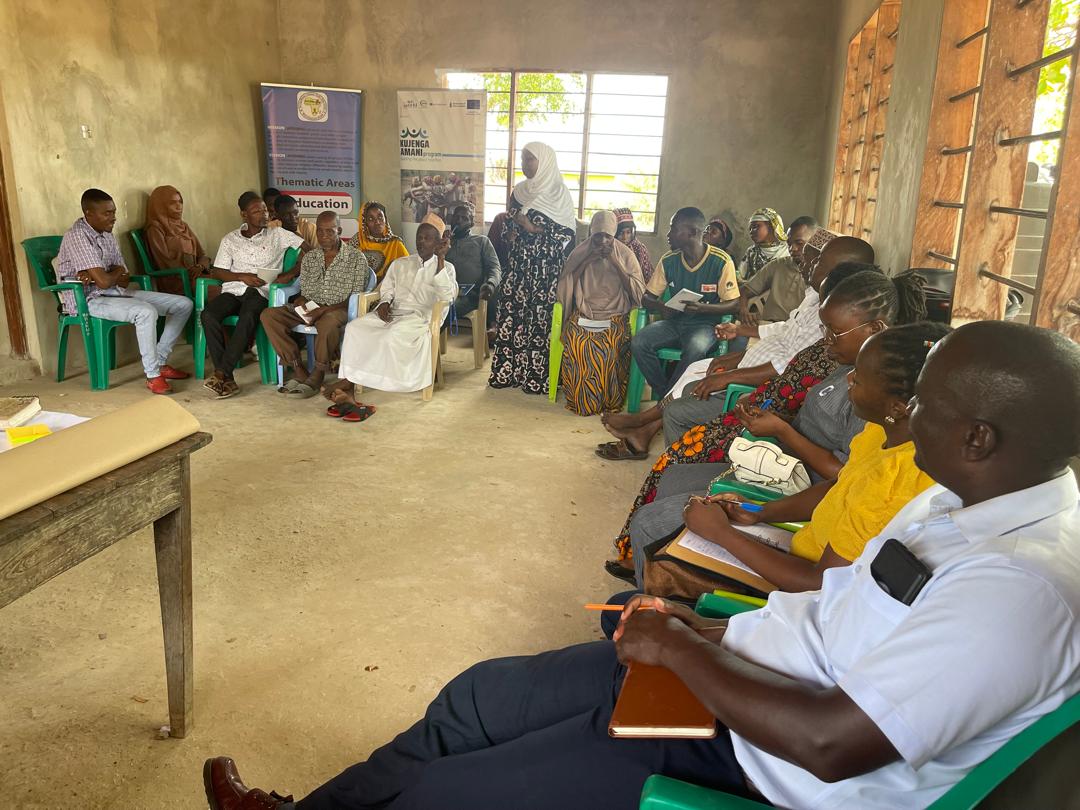
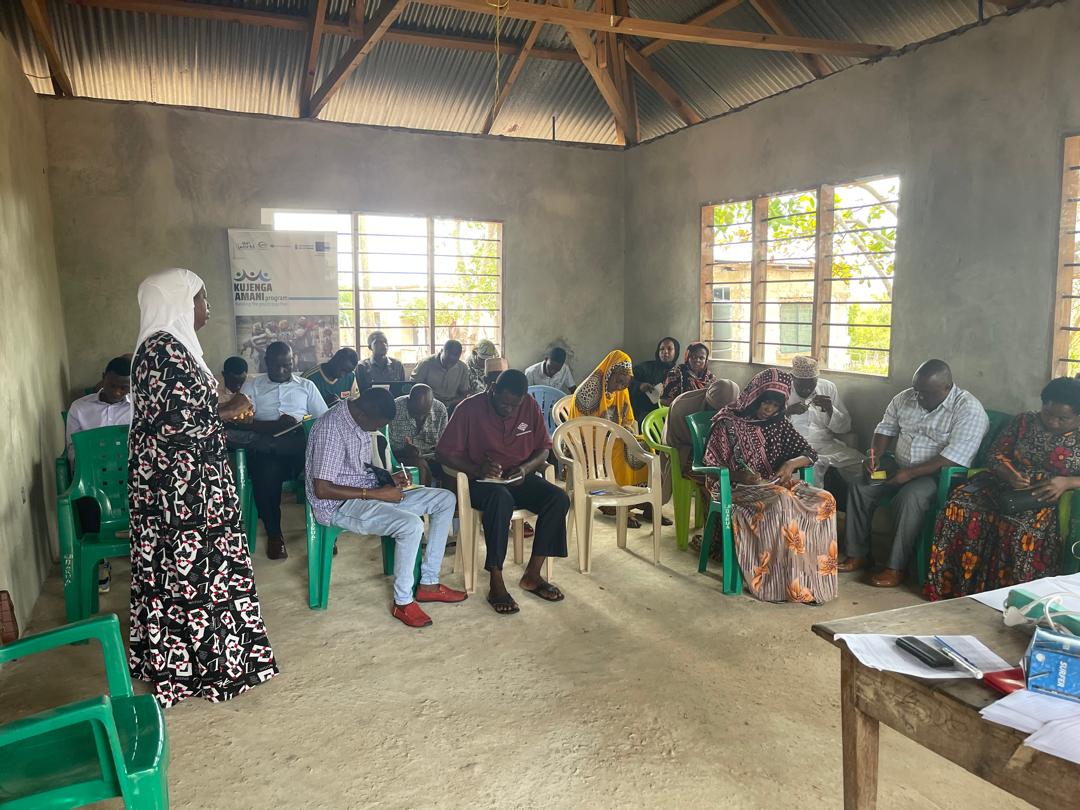
As the world grapples with the effects of climate change and economic instability, rural communities must adapt by engaging in alternative income-generating activities like fishing and agriculture. This is the message that came out strongly during a community dialogue held in Doda village, Mkinga District, where local vegetable farmers and fish farmers came together to discuss ways to improve livelihoods through collaboration and sustainable practices.
Knowledge and Cooperation as Tools to Prevent Conflict
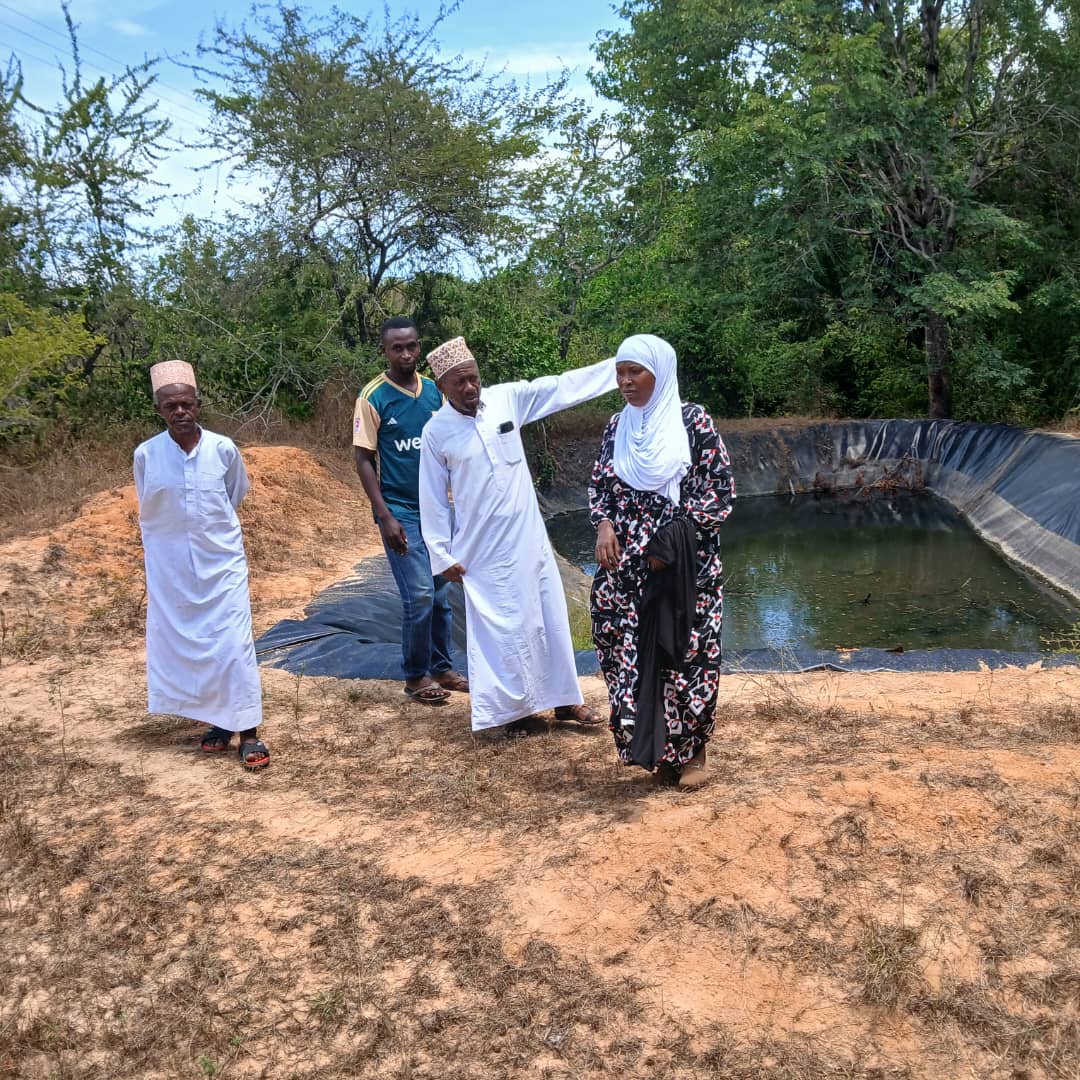
Ezra Katete, a fisheries officer, emphasized the importance of modern techniques and expert support in fish farming. He explained that the Fisheries Department is committed to working with local communities to provide training and technical guidance, helping ensure food security and economic progress.
He also highlighted opportunities within the blue economy, including seaweed farming, marine shellfish farming, and crab fattening—activities that make use of coastal resources like mangroves and ocean water. With freshwater becoming scarce for inland fish farming, exploring saltwater-based aquaculture is both a smart and necessary shift.
Building Peace Through Community Projects
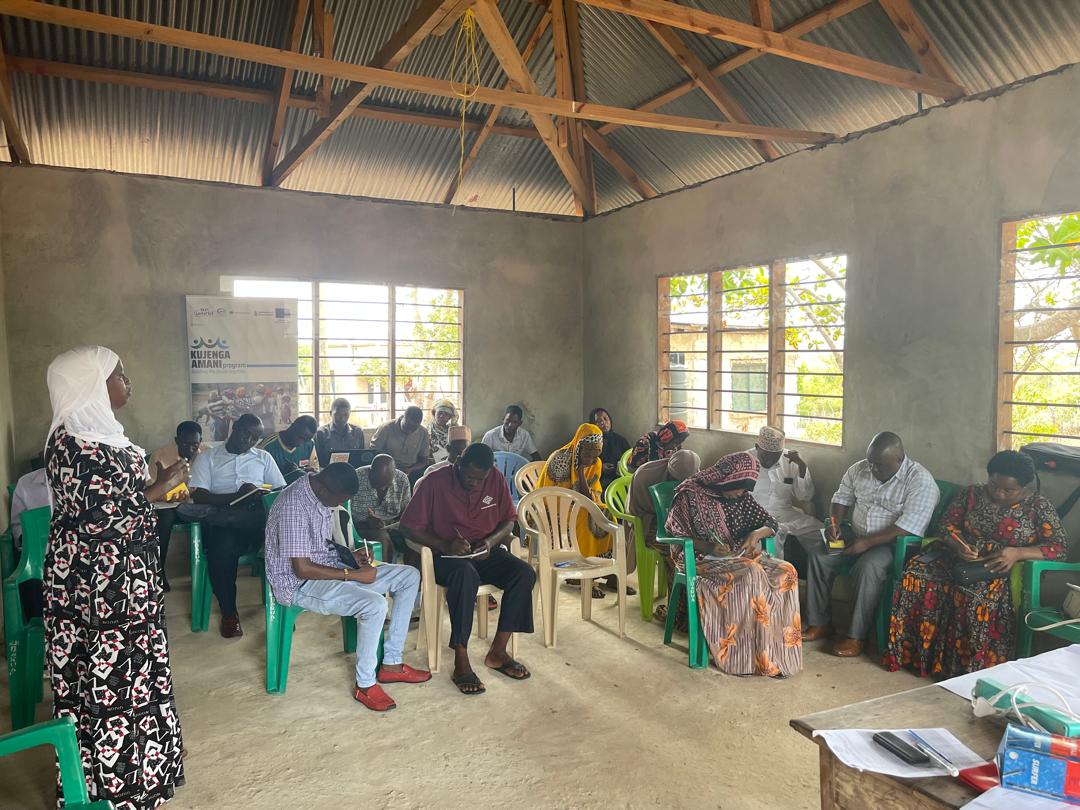
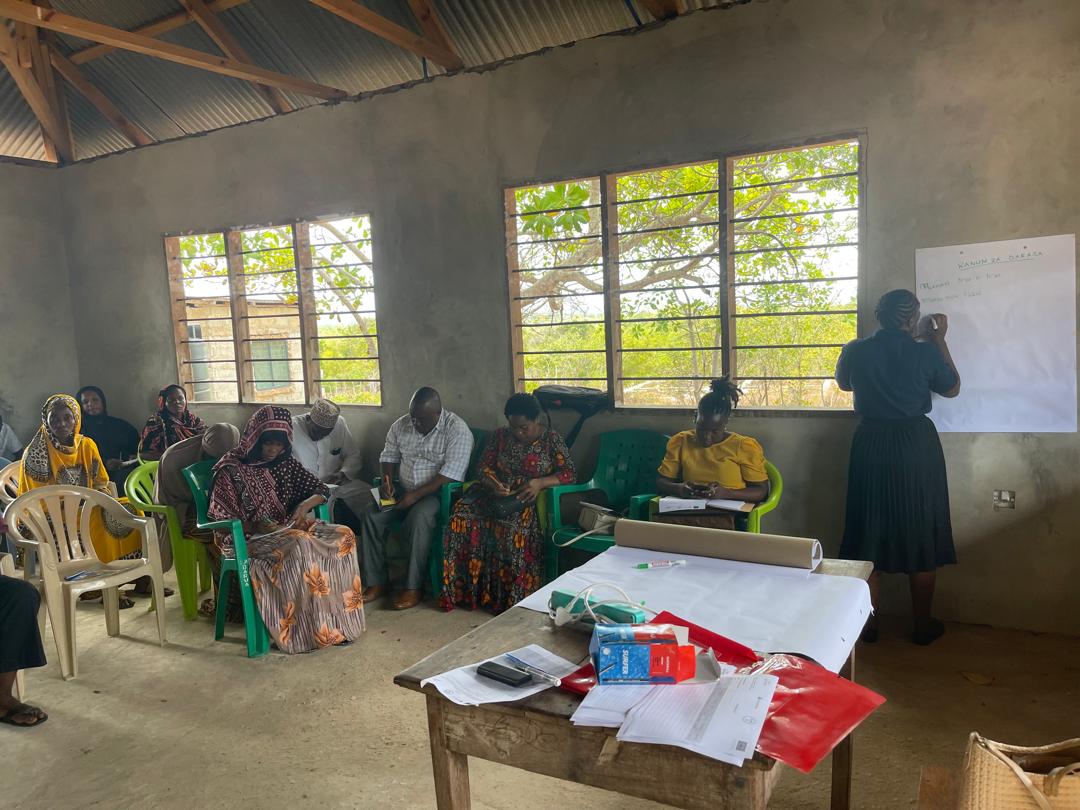
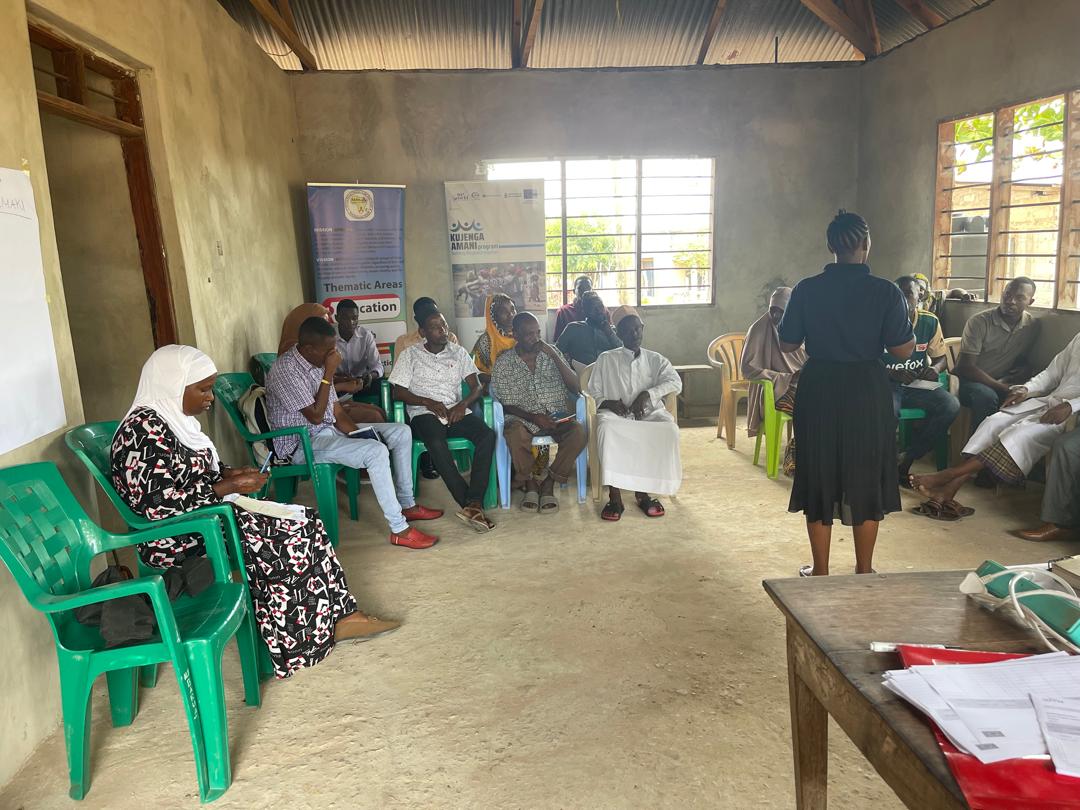
In partnership with AFRIWAG and 4H Tanzania, and with support from WeWorld, the “Build Peace Together” project was launched to reduce conflict and foster cooperation between community groups. The initiative brought together farmers and fish farmers for open dialogue, helping them share their challenges and co-create solutions.
Participants praised the forums for increasing their understanding of:
- How to collaborate effectively between groups.
- Conflict resolution before starting community projects.
- The importance of involving experts in project planning to ensure sustainability.
This initiative has helped break down barriers and laid the groundwork for inclusive, peaceful development in Doda.
Challenges and the Road Ahead
While there are still challenges—such as limited access to freshwater for traditional fish farming—community members are encouraged to explore alternative practices, including marine-based aquaculture. By making better use of available coastal resources, communities like Doda can build a more food-secure and economically resilient future.
Local residents have also called on NGOs and development partners to maintain a long-term presence in their communities, offering consistent support, training, and tools for meaningful change.
Doda village stands as a shining example of how knowledge sharing, peaceful dialogue, and sustainable resource use can uplift rural communities. These collaborative efforts could serve as a model for other regions facing similar social and environmental challenges.