Introduction
Strong community health systems are the backbone of a healthy society. In many rural and semi-urban areas, access to healthcare services is limited due to distance, lack of resources, and shortage of health professionals. To bridge this gap, Community Health Workers (CHWs) and Home-Based Caregivers (HBCs) play a vital role.
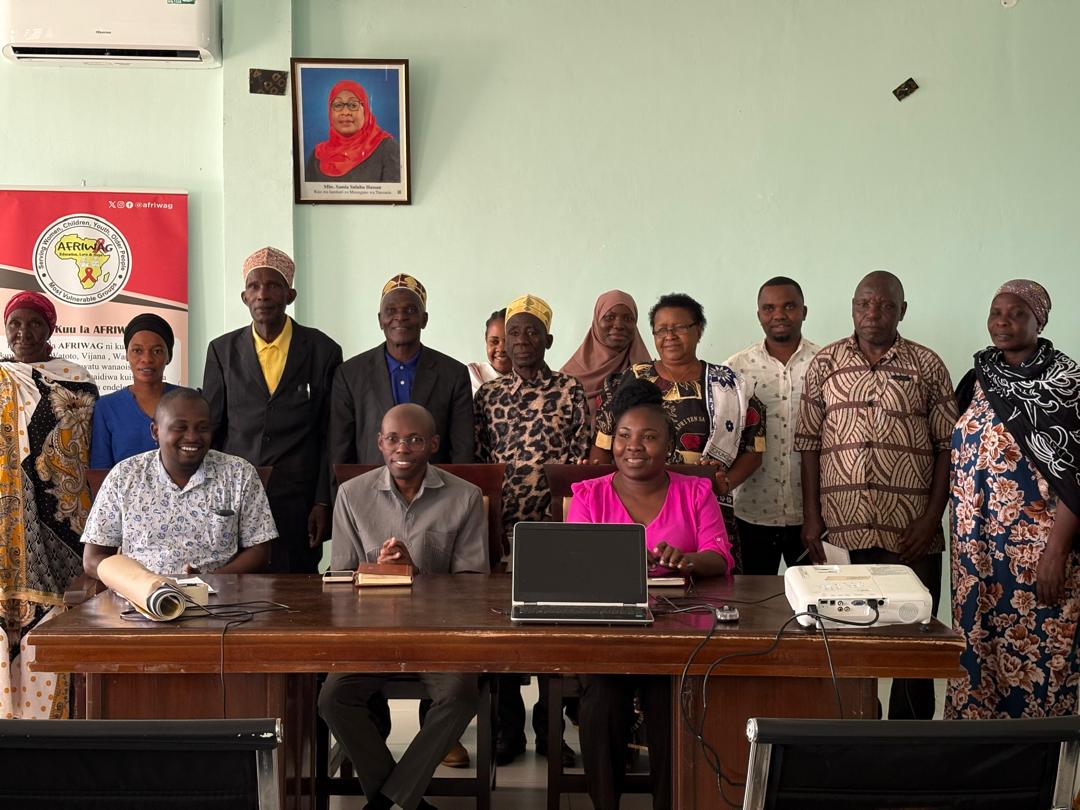
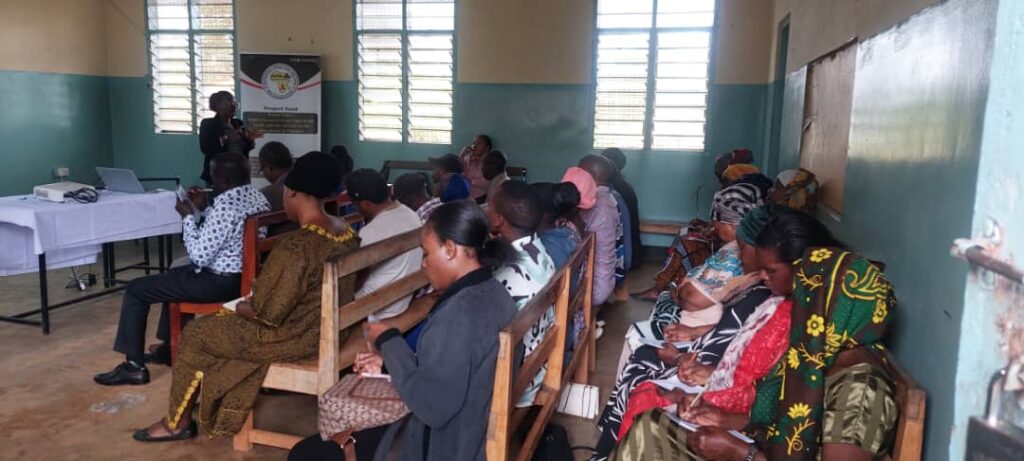
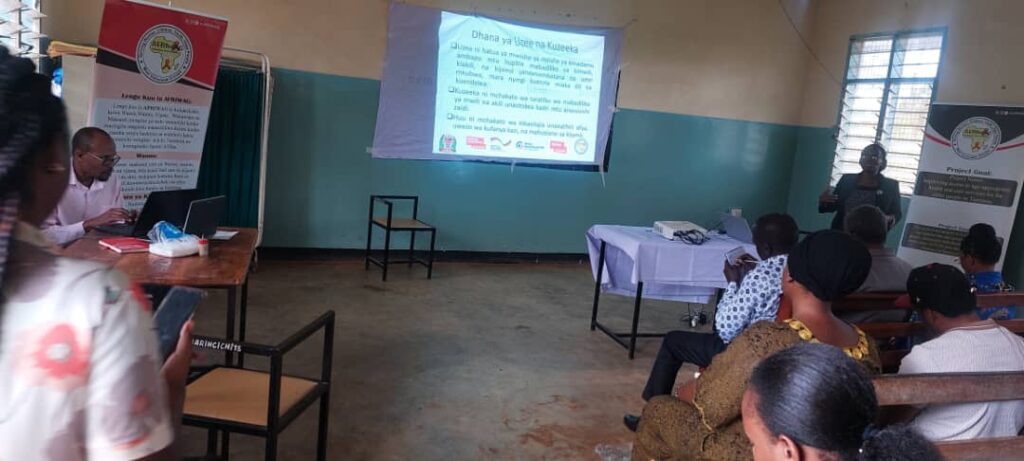
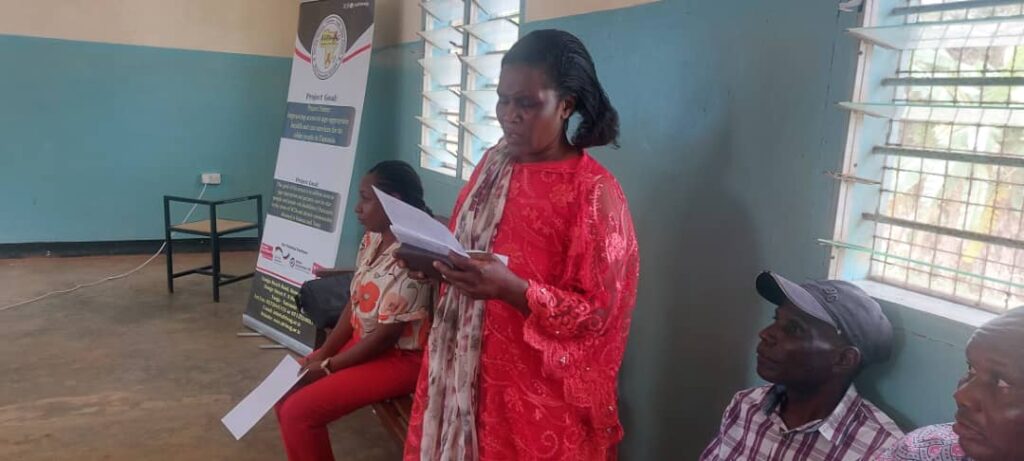
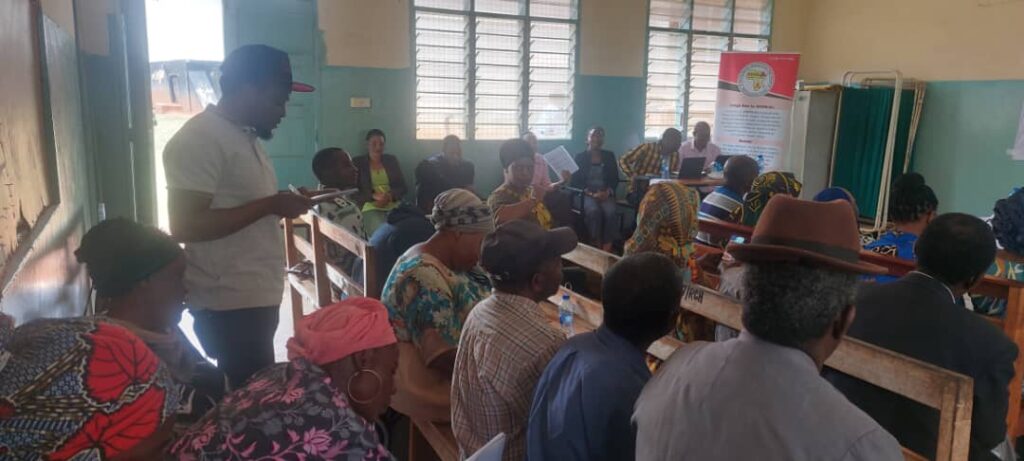
Recently, Handeni District hosted a comprehensive training program for CHWs and HBCs, aimed at enhancing their capacity to deliver essential health services, educate communities, and improve overall well-being.
Understanding CHWs and HBCs
Community Health Workers (CHWs) are trusted local individuals trained to provide basic health services, raise awareness on disease prevention, and connect the community to formal healthcare systems. They often serve as the first point of contact for health concerns.
Home-Based Caregivers (HBCs) focus on providing direct care to patients in their homes. They support the elderly, chronically ill, people living with HIV/AIDS, and other vulnerable populations, ensuring continuity of care beyond clinics and hospitals.
Together, CHWs and HBCs form a crucial link between formal health services and the community, ensuring healthcare reaches those who need it most.
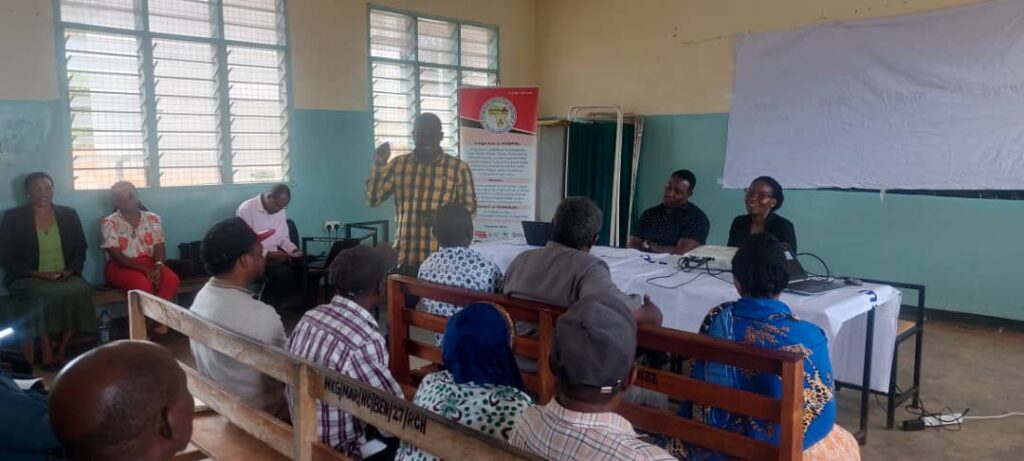
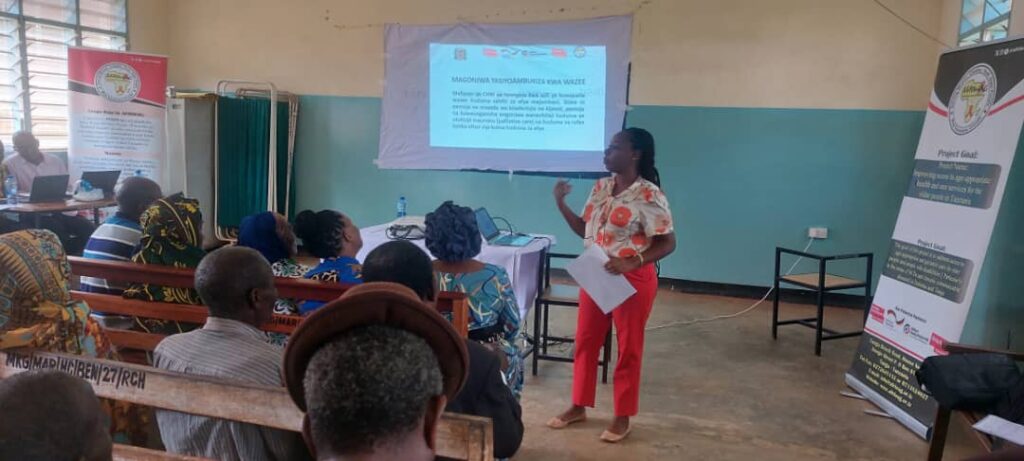
Objectives of the Training
The Handeni training program aimed to:
- Enhance Knowledge and Skills: Equip CHWs and HBCs with the latest health information and practical skills for disease prevention, patient care, and community support.
- Strengthen Community-Based Disease Prevention: Focus on Non-Communicable Diseases (NCDs) such as diabetes, hypertension, and chronic respiratory illnesses, which are increasingly common.
- Improve Elderly Care: Teach caregivers about nutrition, mobility, social inclusion, and mental health support for older adults.
- Promote Early Detection and Referrals: Train participants to identify warning signs and refer patients promptly to health facilities.
- Foster Collaboration: Encourage CHWs and HBCs to work closely with health centers, families, and local authorities to maximize health outcomes.
Key Training Topics
1. Non-Communicable Diseases (NCDs)
The NCD Coordinator explained that NCDs are chronic diseases not caused by infections but influenced by lifestyle factors such as diet, physical inactivity, smoking, and alcohol consumption. Participants learned:
- How to identify early warning signs of diabetes, hypertension, and heart disease.
- Strategies for promoting healthy behaviors in households.
- The importance of regular monitoring and follow-ups.
2. Elderly Care and Support
The Afriwag Coordinator shared insights on elderly challenges, including social isolation, lack of access to healthcare, and nutritional deficiencies. CHWs and HBCs were trained to:
- Conduct home visits for older persons.
- Educate families on proper nutrition, hygiene, and mental health.
- Advocate for the dignity and rights of older people within the community.
3. Community Engagement & Education
CHWs and HBCs learned techniques to effectively communicate health messages, organize community awareness sessions, and empower families to adopt healthier lifestyles.
4. Referral Systems & Health Linkages
Training emphasized the importance of clear referral pathways between homes, community centers, and health facilities to ensure timely treatment and reduce complications.
Expected Impact on the Community
Equipped with knowledge, skills, and motivation, CHWs and HBCs are expected to:
- Increase Access to Healthcare: Especially for vulnerable populations like the elderly, chronically ill, and remote households.
- Promote Preventive Health Measures: Reducing the burden of chronic diseases in the community.
- Improve Quality of Care at Home: Ensuring patients receive consistent, compassionate care.
- Raise Health Awareness: Educating families on nutrition, hygiene, disease prevention, and early detection.
- Strengthen Community Resilience: Encouraging collective responsibility for health and well-being.
Success Stories and Testimonials
Several participants shared their experiences during the training:
- “I have learned practical ways to monitor blood pressure and sugar levels at home. This will help my community detect problems early,” said one CHW.
- “Now I understand the needs of older people better. I can provide care that respects their dignity and supports their independence,” said an HBC.
Such reflections show that the training is not only theoretical but also practical, immediately benefiting the community.
Conclusion
The training of CHWs and HBCs in Handeni District is a crucial step toward building a stronger, healthier community. By empowering these frontline health workers, the district is investing in preventive care, early detection of diseases, and compassionate support for vulnerable populations.
? Together, through education, awareness, and community action, we can ensure healthier lives for all residents of Handeni District.