Age is Just a Number: How a Group of Elders in Korogwe are Defying the Odds Through Unity
In many societies, old age is often viewed as a period of slowing down, staying home, or facing social isolation. However, in the Mtonga neighborhood of Korogwe Town Council, Tanga Region, a vibrant group of senior citizens is completely rewriting that narrative. Their driving motto? “The walking stick of the elderly is unity.”
In a special documentary produced by AMASHI TV and narrated by journalist Maretin Mhina, we get an inspiring look at how these elders have organized themselves to tackle the physical, emotional, and financial challenges of aging using three powerful tools: Physical Exercise, Social Solidarity, and Entrepreneurship.
From a Few Members to an 83-Member Strong Force
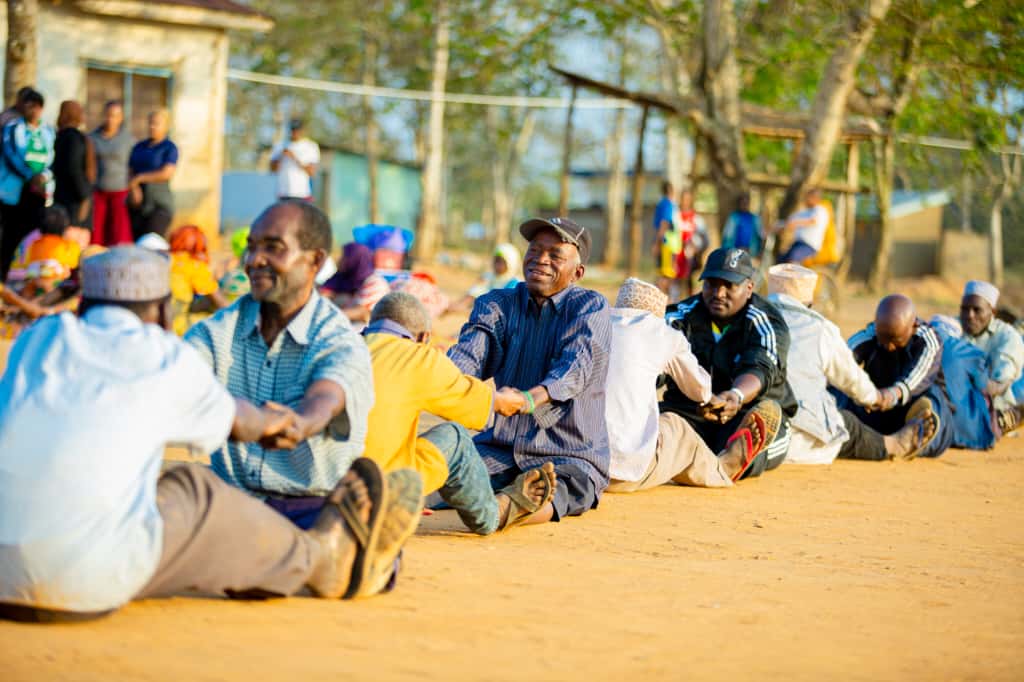
The journey began back in 2016. A small handful of visionary elders decided to start meeting regularly to do physical exercises like push-ups, stretching, and light jogging to keep their bodies strong.
Despite the natural hurdles that come with aging, this fitness club has grown exponentially. Today, the club boasts 83 active members. The group brings together elders of varying physical strengths, including widows who realized that losing a spouse shouldn’t mean the end of leading a purposeful life.
“Aging is inevitable, but sitting around doing nothing is unacceptable.” — The Mtonga Elders’ Creed.
Exercise: The Ultimate Shield Against Opportunistic Diseases
One of the most profound benefits highlighted by the members is the dramatic improvement in their health. Several elders interviewed shared that since they integrated regular physical workouts into their routines, their dependency on daily medication has plummeted, and opportunistic ailments have kept their distance.
One elderly member, who had been in a severe accident and lost the ability to walk properly, shared an emotional testimony: through these group exercises, he fully regained his mobility and can now run. Beyond physical health, getting together weekly serves as a massive boost for mental well-being—fighting off the loneliness, depression, and stress that often accompany old age.
Beyond Fitness: Entrepreneurship and Financial Independence
The elders of Mtonga didn’t stop on the sports field; they transitioned into active producers and business owners. Supported by training and small seed capitals from various stakeholders, the group currently runs several entrepreneurial ventures, including:
Processing highly nutritious porridge flour (unga wa lishe).
Manufacturing liquid soaps and processing flavored baobab seeds (ubuyu).
Traditional weaving of mats (mikeka) and food covers (makawa) from palm fronds (ukindu).
Renting out chairs and tarpaulins for local events and celebrations.
Bi. Fatuma S. Bakali, a member specializing in weaving and the fish trade, emphasized that these small businesses provide them with a sustainable daily income, preventing them from becoming financial burdens to their children or the community.
A Collaborative Effort: HelpAge Tanzania and the Local Government
The incredible initiative shown by these seniors quickly caught the attention of key organizations. HelpAge Tanzania—an NGO dedicated to protecting the rights, safety, and welfare of elderly people—has stepped in to provide vital education on defending against elder abuse, managing non-communicable diseases, and establishing sustainable income streams.
Concurrently, the Social Welfare Department of the Korogwe Town Council supports the club by linking them with donors who provide exercise gear, t-shirts, and sneakers. The government also brings free healthcare camps directly to their neighborhood via integrated medical outreach programs.
The Elders’ Plea: “Include Us in the Council’s 10% Loans”
Despite their inspiring success, the Mtonga group still faces structural hurdles: Elderly neglect/abuse from family members (children failing to care for parents) and a scarcity of expansion capital.
Through the documentary, the elders made a formal appeal to the Tanzanian government:
Just as local government councils legally allocate 10% of their revenues as interest-free loans to Youth, Women, and People with Disabilities, the same structural support should be extended to organized groups of productive elders. They possess the skills; they just need the capital and professional business coaching to scale up.